


The Top Trends in Exhibition Design for 2025
As the global exhibition industry enters 2025, the landscape of booth and stand design is undergoing a dramatic transformation. Driven by rapid technological advancements, shifting audience expectations, and a growing emphasis on sustainability, exhibitors are rethinking how they engage and inspire visitors. Here are the top trends shaping exhibition design this year, offering a roadmap for brands seeking to stand out on the international stage.
Sustainable and Eco-Friendly Designs
Sustainability is no longer a buzzword-it’s a core expectation for exhibitors and attendees alike. In 2025, brands are prioritizing eco-friendly materials such as reclaimed wood, recycled aluminum, and biodegradable fabrics in their booth construction. This shift not only reduces environmental impact but also aligns with the values of eco-conscious audiences. Modern exhibition stands are designed to be reused, repurposed, or recycled, ensuring both aesthetic appeal and environmental responsibility. Exhibitors who embrace sustainable practices-like those offered by TRIGA® Displays-are gaining favor and setting new industry standards.
Modular and Adaptive Stands
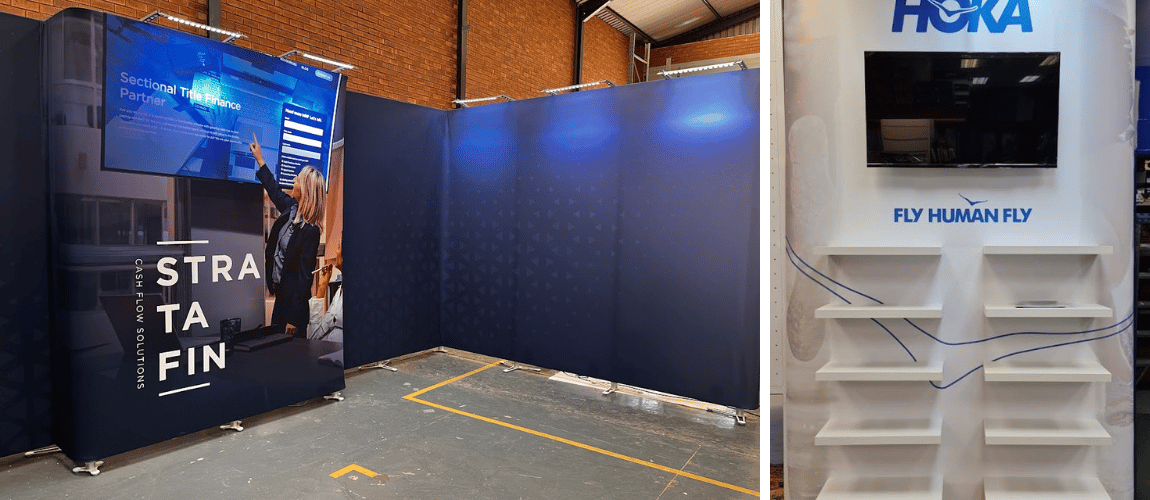
Flexibility is key in today’s fast-paced, global exhibition circuit. Modular stands are leading the way, allowing exhibitors to easily adapt their displays for different venues, booth sizes, and event requirements. These systems are cost-effective, easy to transport, and can be customized for a variety of spaces, making them ideal for brands participating in multiple shows throughout the year. Modular solutions also support sustainability by enabling repeated use and reconfiguration, maximizing return on investment while minimizing waste.
Immersive Technology Integration
The integration of technology is revolutionizing the exhibition experience. In 2025, immersive technologies such as augmented reality (AR), virtual reality (VR), and interactive touchscreens are becoming standard features. These tools enable dynamic storytelling, product demonstrations, and gamified experiences that engage visitors on multiple sensory levels. Attendees can now step into virtual showrooms, interact with 3D product models, or participate in digital games that reinforce brand messaging. This trend is transforming booths from static displays into vibrant, interactive environments that leave lasting impressions.
Digital and Social Media Integration
Exhibition design is increasingly blending the physical and digital worlds. Interactive digital kiosks, mobile app integration, and social media tie-ins are enhancing visitor engagement and extending the reach of exhibitions far beyond the show floor. Features like branded photo booths, QR codes, and live social media feeds encourage attendees to share their experiences online, amplifying brand exposure and creating a buzz around the event.
Minimalism and Biophilic Design
In contrast to the sensory overload of past exhibitions, 2025 is seeing a rise in bold minimalism and biophilic design. Clean lines, monochromatic color schemes, and strategic lighting create a sophisticated yet striking presence. At the same time, elements like living walls, potted plants, and natural materials are being incorporated to foster a sense of calm and well-being. These design choices not only enhance the aesthetic appeal of stands but also improve the overall visitor experience by creating inviting, wellness-focused spaces.
Conclusion
The top trends in exhibition design for 2025-sustainability, modularity, immersive technology, digital integration, and minimalist, nature-inspired aesthetics-are redefining how brands connect with global audiences. By embracing these innovations, exhibitors can create memorable, impactful experiences that resonate with visitors and set themselves apart in a competitive marketplace.