


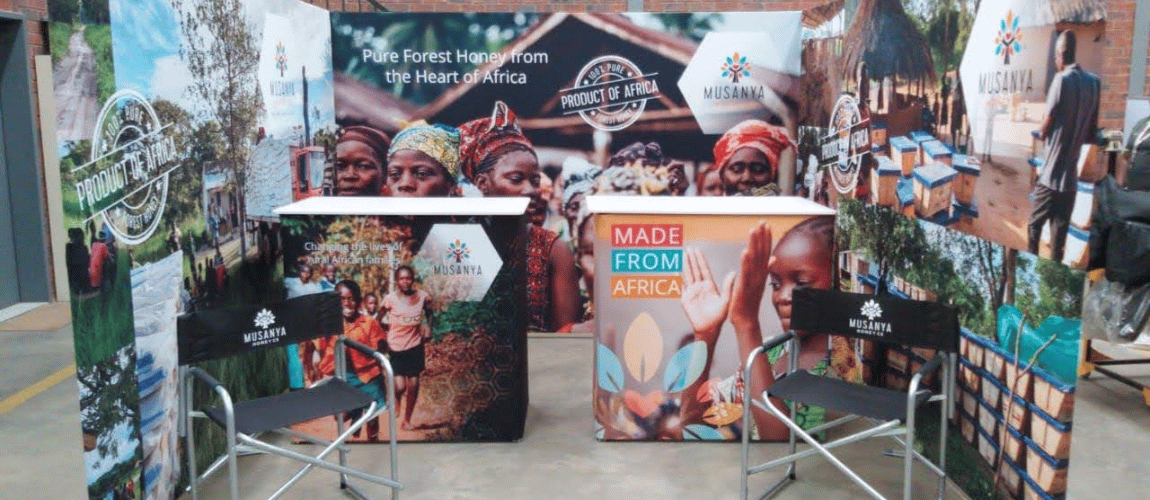
Sustainability & Cost Efficiency: The Hidden Advantages of Modular Exhibition Systems
Sustainability is no longer a nice-to-have in the exhibition industry—it’s a business imperative. Event organisers, exhibitors, and attendees are increasingly prioritising environmentally responsible solutions, and brands are under pressure to demonstrate measurable reductions in waste and carbon footprint. Traditional wooden booth construction, once considered the gold standard, is now viewed as wasteful, costly, and outdated. In contrast, modular exhibition systems offer a compelling combination of sustainability and long-term cost efficiency that aligns with modern expectations.
Modular systems like TRIGA® are engineered for reuse, adaptability, and minimal environmental impact, making them an intelligent choice for any brand seeking to future-proof its event strategy.
Why Sustainability Matters More Than Ever
Environmental responsibility now plays a defining role in exhibition planning. Companies face internal and external pressure to meet sustainability goals, while event organisers increasingly require exhibitors to reduce waste and adopt greener alternatives. Waste from traditional booths—especially those built from MDF and other disposable materials—presents serious environmental challenges, often resulting in entire structures being discarded after a single event.
Brands that adopt sustainable booth solutions benefit from improved reputation, reduced operational waste, and alignment with broader ESG commitments. Modular systems support these goals by promoting reuse and reducing overall resource consumption.
The Waste Problem With Traditional Booths
Custom-built wooden booths contribute significantly to exhibition waste. Typical issues include:
- MDF and plywood discarded after each show
- large quantities of vinyl, adhesives, and foam dumped
- high freight emissions due to heavy structures
- increased labour and energy required for construction and dismantling
For companies attending multiple events per year, the cumulative waste footprint becomes both environmentally harmful and financially inefficient.
How Modular Systems Solve Sustainability Challenges
Modular exhibition systems are designed from the ground up to promote reuse, reduce waste, and minimise environmental impact. Key sustainability benefits include:
- Reusable aluminium frames – durable, lightweight, and recyclable
- Fabric graphics – printed using energy-efficient dye-sublimation processes
- Lower transport emissions – lightweight components reduce fuel usage
- Less waste per event – minimal material disposal compared to custom builds
- Small storage footprint – lowering warehouse requirements and energy use
By using modular systems, companies can dramatically reduce the waste generated from their exhibition programs and align with green-event expectations.
Cost Efficiency: The Long-Term Financial Advantage
One of the most compelling advantages of modular systems is their ability to reduce long-term costs. Unlike custom booths—which often require new builds, expensive storage, and high labour costs for installation—modular systems are designed for repeated use and easy reconfiguration. This eliminates the need for entirely new structures for each event. Lightweight framing reduces transport and handling fees, while tool-less assembly lowers setup costs and eliminates reliance on specialised labour teams. Over time, the savings accumulate significantly, often allowing modular systems to pay for themselves within a few events. This predictable cost structure makes modular booths an attractive investment for brands seeking better budget control.
Modular Systems and Brand Longevity
A booth needs to work hard for the brand—not just once, but across many events. Modular systems allow for:
- graphic updates without rebuilding
- layout changes for different stand sizes
- multi-purpose use across exhibitions, pop-ups, and roadshows
- consistent brand identity across regions and markets
- easy scaling as the business grows
This adaptability means companies can confidently invest in a modular booth knowing it will deliver value for years.
The TRIGA® Advantage
TRIGA® stands out as a leading modular solution due to its engineering precision and design flexibility. TRIGA® systems are:
- tool-less and quick to assemble
- strong and durable despite being lightweight
- visually premium with seamless fabric graphics
- compact when packed for transport
- designed for many years of reliable use
These features support sustainable practices by extending the lifespan of the booth and minimising environmental impact throughout its lifecycle.
Why Modular is the Future of Exhibit Sustainability
As regulations tighten and event organisers demand greener participation, modular systems will become the default choice for responsible exhibiting. Their balance of efficiency, durability, design freedom, and reduced waste aligns perfectly with global sustainability goals.
Conclusion
Modular exhibition systems offer a powerful combination of environmental responsibility and long-term cost efficiency. They drastically reduce waste, lower transport emissions, and eliminate the need for repeated booth construction. For brands that want to exhibit smarter, more sustainably, and more cost-effectively, TRIGA® provides a solution that supports today’s needs while preparing for tomorrow’s expectations.