


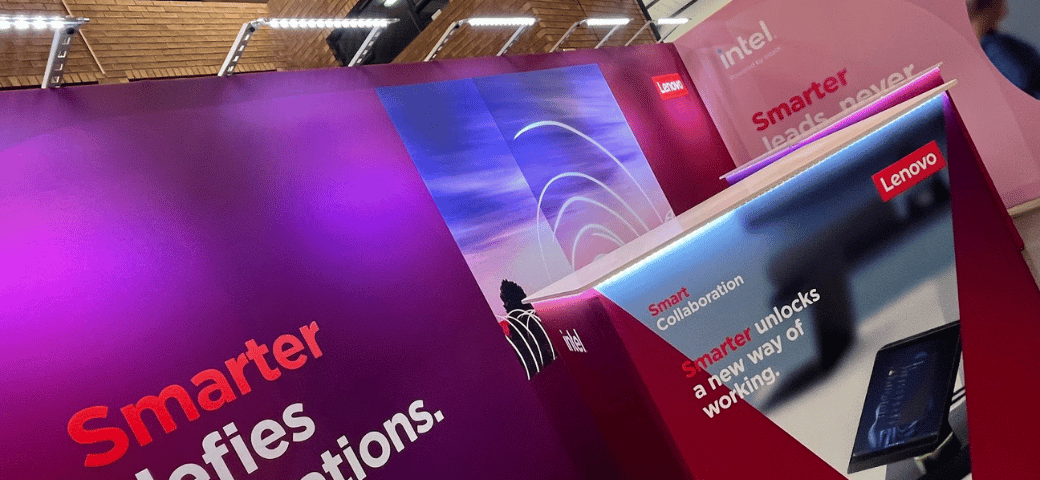
Lighting that Leaps Off the Fabric: How to Make Your Textile Displays Shine at Night & Indoors
In a dimly lit hall or under evening skies, it’s often the lighting, not just the graphics, that catches the eye first. For textile displays, which by nature are softer and more sculptural, lighting can be the difference between blending in and commanding attention. With the right techniques, you can make TRIGA® textile systems look vivid, dramatic, and luxurious, even in challenging lighting environments.
In this article, we explore lighting principles, types of light sources, design strategies, and practical tips to ensure your textile displays don’t just get seen but remembered.
Why Lighting Matters for Textile Displays
Textile display panels differ from rigid boards or metal signage in several ways: they absorb light, they have texture, and their colors can appear muted under poor lighting. Lighting becomes central for:
- Color accuracy and vibrancy – Without enough brightness or with the wrong color temperature, designs look washed out.
- Texture and depth – Shadows and gradients can enhance the tactile quality of fabric. Done well, lighting adds depth. Done poorly, it flattens everything.
- Brand mood and storytelling – Warm tones feel inviting, cool hues feel modern or tech-focused. Lighting communicates as much as graphics.
- Visibility and footfall – At night or indoors, people are drawn to bright, well-lit focal points. Without good lighting, your display risks fading into the background.
Key Lighting Principles for Textile Displays
- Layering light
Combine ambient light (general illumination), accent lighting (spotlights or directional beams), and decorative lighting (LED strips, washes). A layered approach lets you control both mood and focus. - Color temperature and CRI
- Color temperature defines how warm or cool the light feels (2700K is warm, 5000K is cool). For indoor events, daylight or neutral white (4000–5000K) keeps fabric colors true.
- CRI (Color Rendering Index) measures how accurately colors appear compared to natural light. A high CRI (90+) ensures your fabric prints look authentic.
- Avoid glare and shadows
Position lights to avoid hotspots or harsh shadows on fabric. Use diffusers or indirect lighting for even coverage. - Adaptability
Adjustable fixtures with dimmers or swivels let you adapt to different venues. A bright convention hall needs different lighting than a low-lit evening event. - Energy efficiency
LEDs are efficient, durable, and produce less heat. They also preserve textile graphics by reducing light-related fading.
Lighting Techniques and Fixtures
| Technique | Best Use | Application for TRIGA® Displays |
| Edge lighting with LED strips | Creates glowing borders or highlights frame geometry | Install slim LED strips along the edges of frames for dramatic outlines |
| Backlit panels / light boxes | Illuminates fabric from behind for vibrant, luminous graphics | Use LED grids behind lightbox-ready fabric with diffusers for even brightness |
| Spotlights / directional heads | Highlights logos, products, or messages | Mount adjustable spotlights above or to the sides of frames |
| Floodlights / uplights | Provides even illumination across large displays | Use floor-mounted wash lights for wide backdrops |
| Colored lighting | Adds mood or draws attention | Use sparingly for accents, but test to avoid distorting printed colors |
| Hidden / cove lighting | Creates clean, seamless lighting effects | Place LED strips inside recessed profiles or behind panels |
Best Practices for Setup
- Plan around display geometry: Map out panels, walkways, and focal points before deciding where to place lights.
- Check power requirements: Ensure safe cable routing and sufficient sockets.
- Test in advance: Try your setup in similar lighting conditions and adjust brightness, angles, and diffusion.
- Keep fixtures clean and integrated: Use mounts or clamps that blend with the display, maintaining a professional look.
- Ensure visitor comfort: Avoid blinding viewers by placing lights above eye level or using diffusers.
- Prioritize durability: Choose lighting that is easy to clean, store, and transport.
Tips for Night-Time and Low Light Events
- Use contrast: Bright graphics against dark surroundings create high impact.
- Add ambient safety lighting: Pathway lights ensure safe movement while displays remain the focal point.
- Choose the right tone: Cool light enhances vibrancy and feels modern. Warm light adds comfort and luxury.
- Prepare for power issues: Portable LED units or battery packs provide backup if mains power fails.
- Highlight fabric texture: Side lighting or low-angle light enhances the natural weave of fabric.
Common Mistakes to Avoid
- Mixing too many light colors or temperatures, which looks inconsistent.
- Overlighting, which causes glare and flattens textures.
- Poor cable management that distracts from the display.
- Ignoring venue conditions such as natural light, reflective floors, or overhead fixtures.
- Choosing fragile or difficult-to-maintain lighting setups.
The ROI of Lighting
Investing in professional lighting pays off by:
- Increasing engagement and dwell time at displays.
- Improving brand recall and professionalism.
- Maximizing the value of printed graphics by showing them at their best.
- Extending the lifespan of both graphics and hardware through careful lighting choices.
Conclusion
Lighting is the secret ingredient that transforms textile displays from functional to unforgettable. TRIGA® systems are strong and versatile; with the right lighting, they become truly immersive brand statements. Whether indoors or at evening events, smart lighting choices bring clarity, vibrancy, and professionalism, helping your displays stand out, attract visitors, and leave lasting impressions.