


How to Design a Trade-Show Booth That Aligns with Your Brand Identity
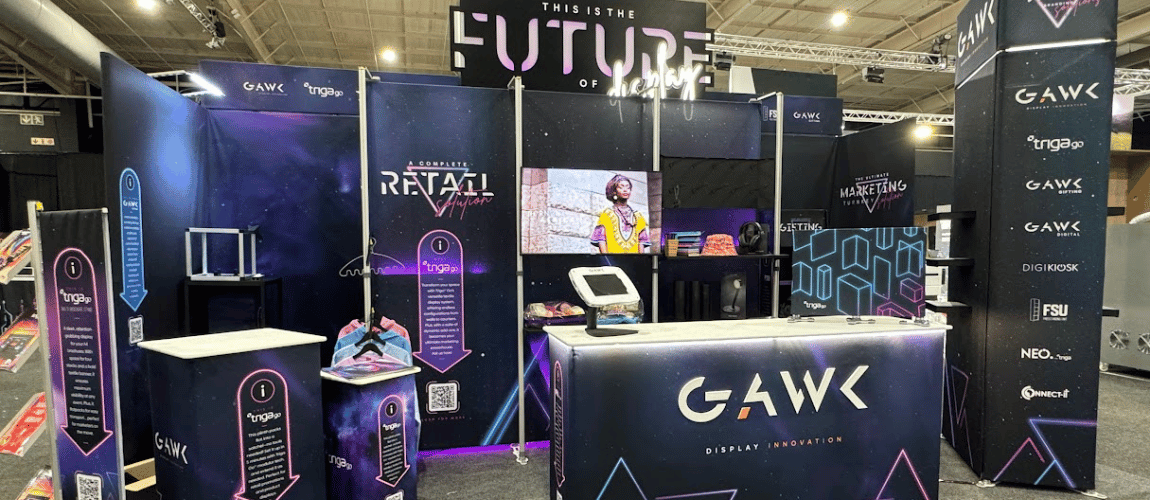
A successful trade-show booth is far more than a physical structure—it’s a three-dimensional expression of your brand. In a crowded exhibition hall filled with competitors, your stand must immediately communicate who you are, what you offer, and why visitors should engage with you. When executed correctly, a booth becomes a powerful brand-building tool that reinforces visual identity, strengthens credibility, and creates memorable experiences. Designing a booth that aligns with your brand identity is essential for achieving these outcomes, and modular systems like TRIGA® make this process both efficient and versatile.
Your Booth Is a Physical Extension of Your Brand
Your brand identity represents the personality, values, and visual language of your company. These elements must translate seamlessly from your marketing materials into your exhibition environment. A booth should not feel like a separate or disconnected space; it should visually and emotionally match the brand experience customers get from your website, packaging, and communications.
To achieve this, exhibitors must focus on consistency. Colours, typography, imagery, tone, and the overall spatial layout should all reflect the brand’s character. When a booth is designed in alignment with brand identity, it helps visitors instantly recognise the company and recall its message long after the event has ended.
Step 1 — Define Your Core Message Clearly
Before diving into layout or design, identify the one message you want visitors to walk away with. This could be a promise, product benefit, tagline, or campaign theme. A booth overloaded with multiple messages becomes visually confusing. Instead, focus on clarity:
- What is the one idea you want people to remember?
- What differentiates your brand from competitors?
- How can your graphics communicate this in seconds?
This message should guide the visual hierarchy of the booth and influence the placement of graphics, icons, and headlines.
Step 2 — Use Your Brand’s Visual Language
Brands communicate through visual cues—colours, shapes, fonts, and imagery. These must be integrated thoughtfully into your booth. For example:
- Colours: Use your primary brand colours for large surfaces, and secondary colours for accent areas or backlighting.
- Typography: Ensure fonts match your brand guidelines and are legible from a distance.
- Shapes & Styles: If your brand leans toward minimalism, choose clean lines. If it’s more playful, use curves or softer shapes.
Modular systems like TRIGA® allow these visual elements to be expressed through tension-fabric graphics, large seamless panels, and custom configurations.
Step 3 — Design an Engaging Layout
Spatial planning plays a vital role in how visitors interact with your booth. A layout should feel welcoming, intuitive, and consistent with your brand personality.
Use space effectively by incorporating:
- open entry points
- a clear focal area
- product or demo stations
- storage solutions that don’t break the design flow
Visitor flow should feel natural. For example, a tech-focused brand might want interactive screens placed centrally, while a retail brand may highlight product displays at the perimeter.
Step 4 — Use Graphics Strategically
High-quality graphics are essential for communicating brand identity in a modular environment. Tension-fabric prints allow for bold, vibrant imagery that covers large surface areas without visible seams. Your graphics should:
- reinforce your colour palette
- highlight key messages
- use engaging but on-brand imagery
- maintain a clean visual hierarchy
Avoid overcrowding panels with text or small visuals that get lost at a distance.
Step 5 — Create Functional Zones
Booths should not only look appealing—they must also support practical engagement. Creating functional zones ensures visitors can explore comfortably while your team operates efficiently. Consider areas for demonstrations, private discussions, product showcasing, and storage. These zones help structure the visitor journey while maintaining a cohesive design that aligns with the brand. Modular systems make it easy to integrate counters, shelves, meeting pods, or presentation spaces without compromising the overall aesthetic.
Step 6 — Use Lighting to Amplify Your Brand
Lighting is one of the most powerful design tools in a booth. It can highlight products, enhance colours, and create ambiance. Depending on your brand style, lighting can:
- create dramatic emphasis (spotlights)
- enhance brand colours (LED uplighting)
- highlight graphics (backlit walls)
- add depth and dimension
TRIGA® backlit systems are particularly effective for premium brand experiences.
Step 7 — Maintain Consistency Across All Events
One of the biggest challenges for brands is presenting a consistent identity across multiple exhibitions. Modular systems make this easier by allowing companies to reuse the same structure while updating graphics for new campaigns. This ensures your brand stays visually aligned, even as marketing messages evolve.
Conclusion
Designing a trade-show booth that aligns with your brand identity is essential for creating a memorable and impactful exhibition presence. When visual elements, messaging, layout, and lighting all support your brand story, the booth becomes a powerful marketing asset. Modular systems like TRIGA® deliver the adaptability, visual quality, and structural consistency needed to express your brand effectively at every event.